

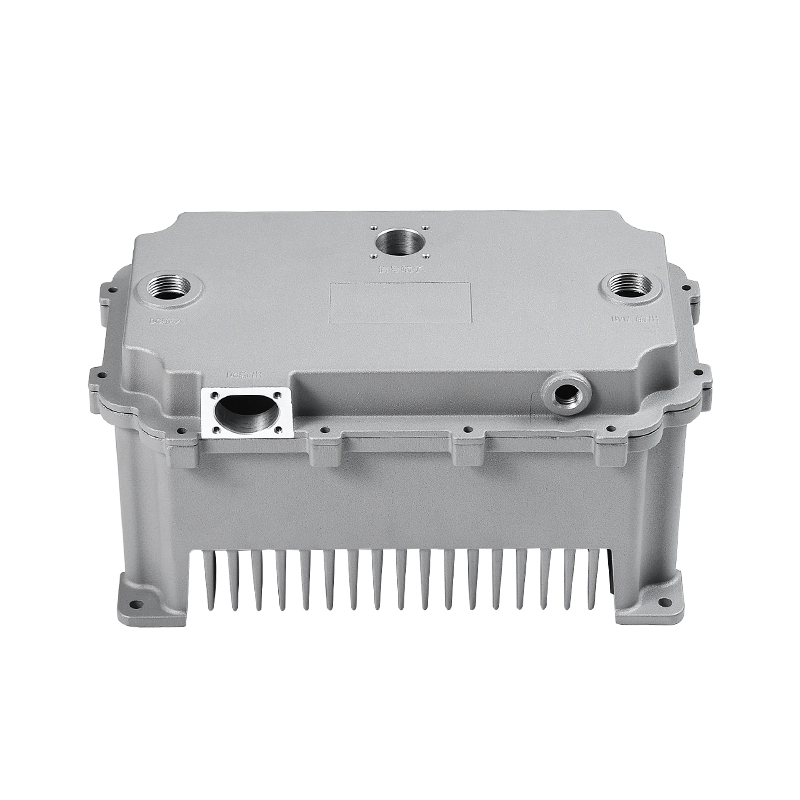
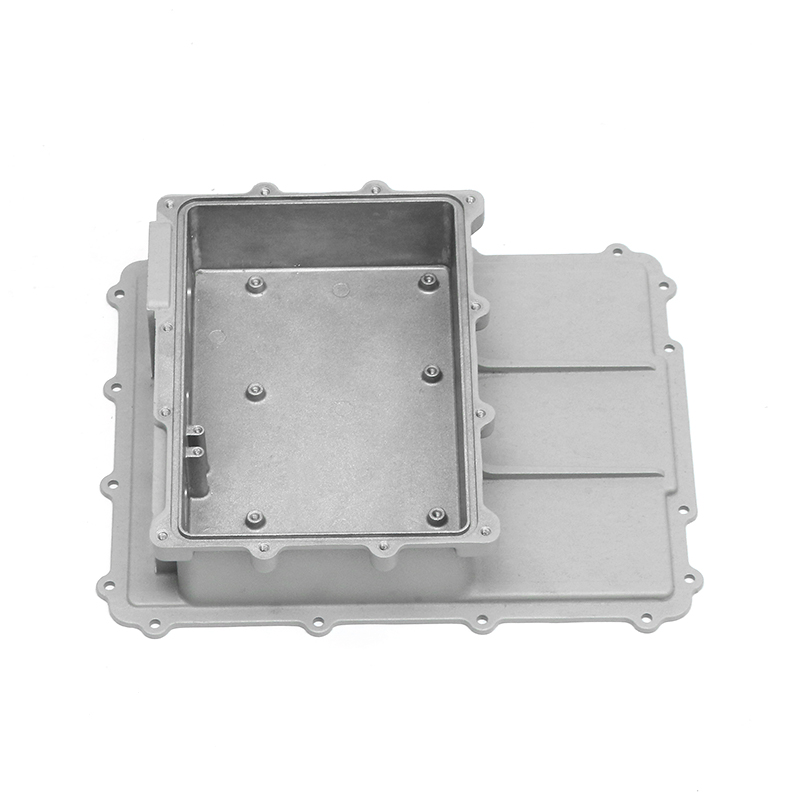
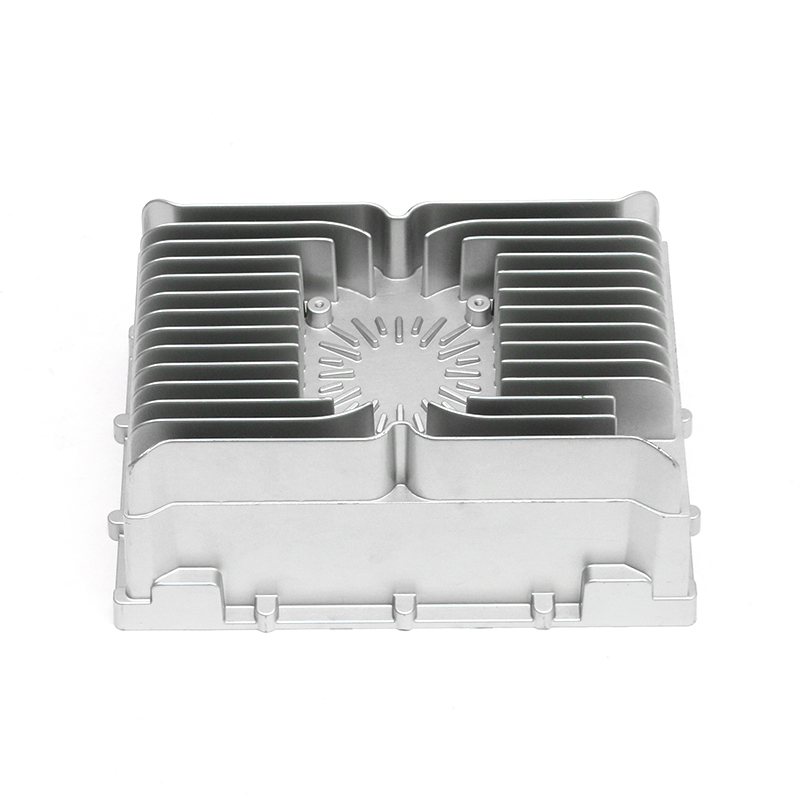
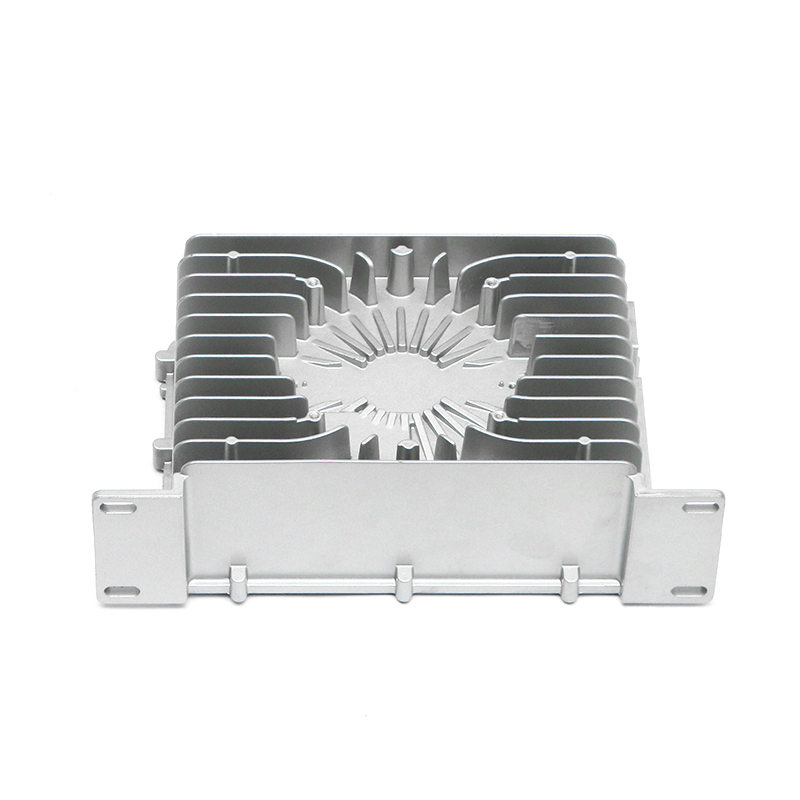
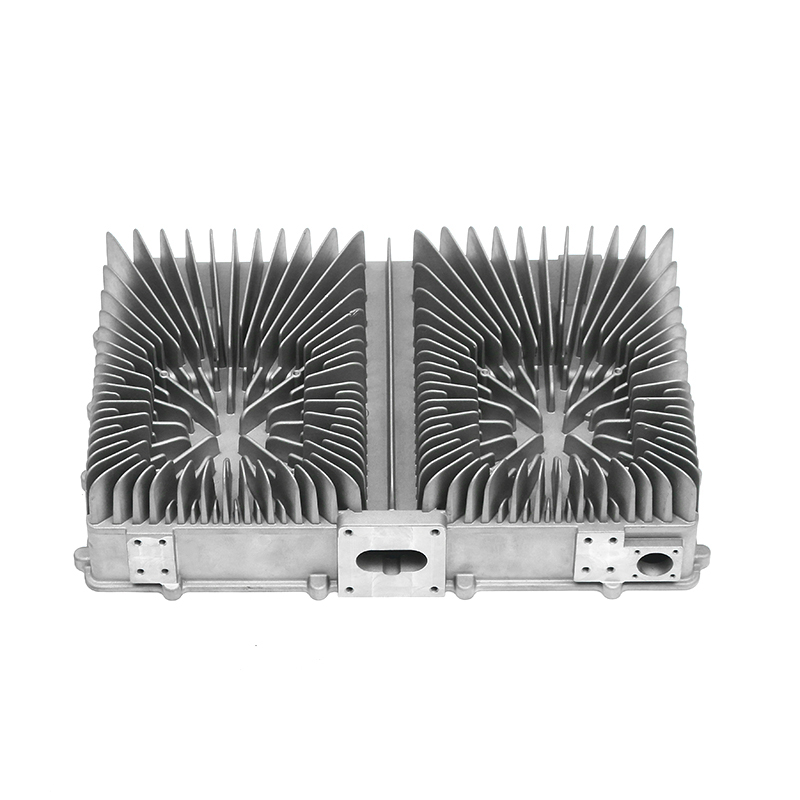
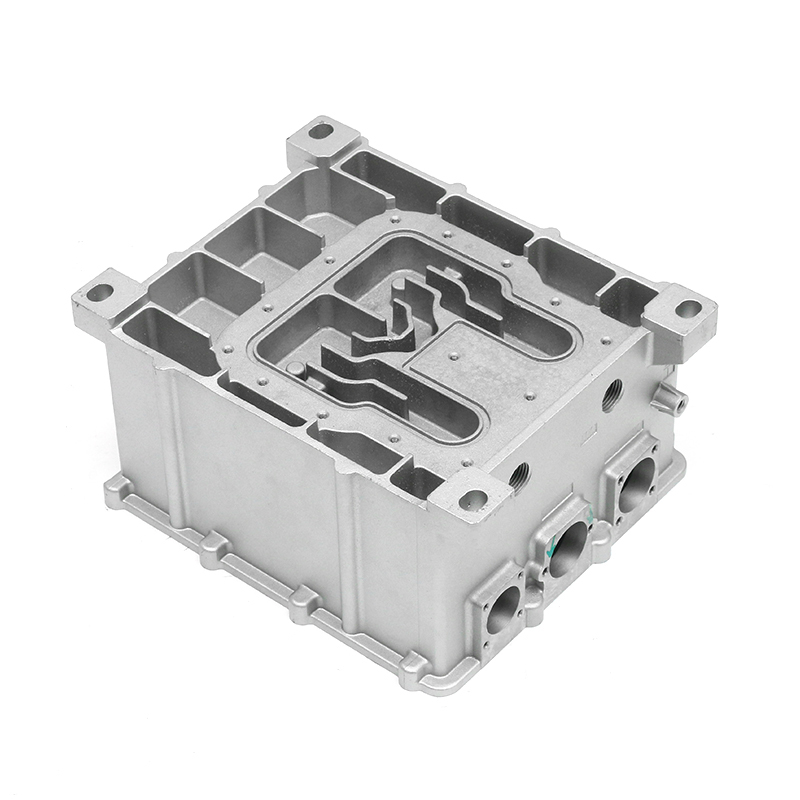
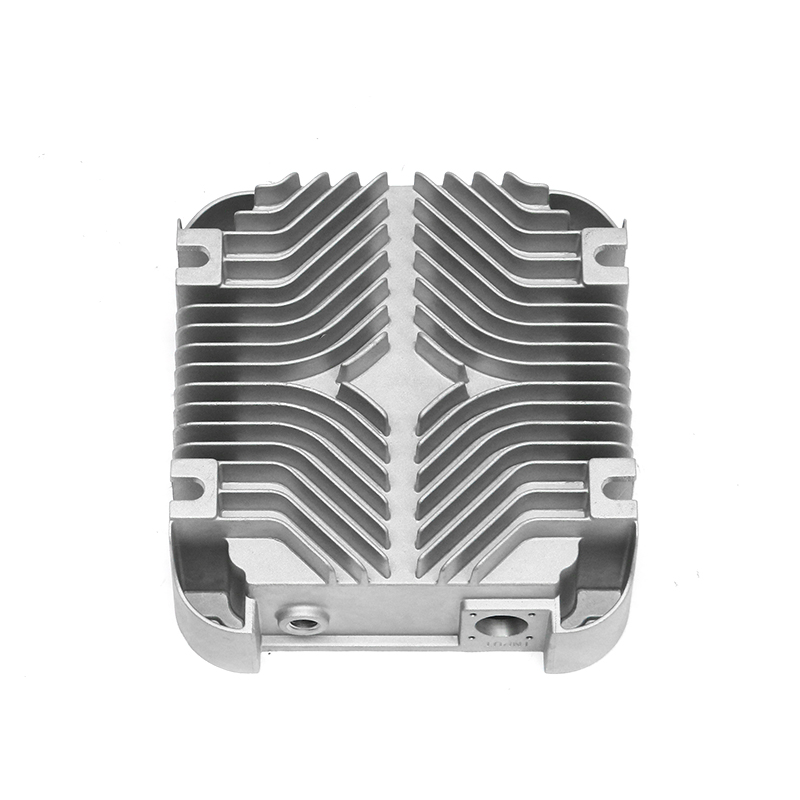
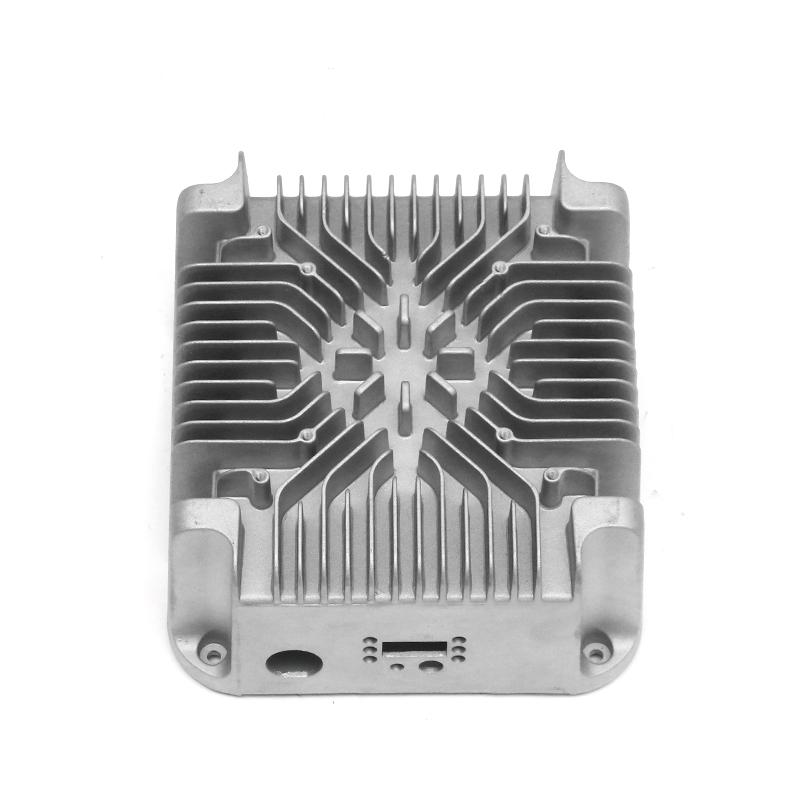
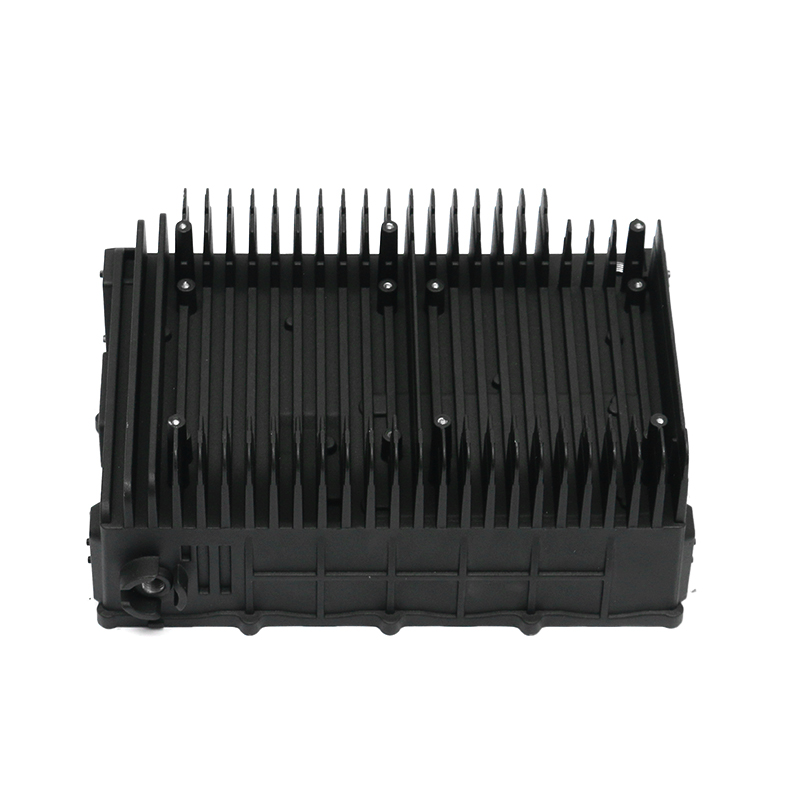
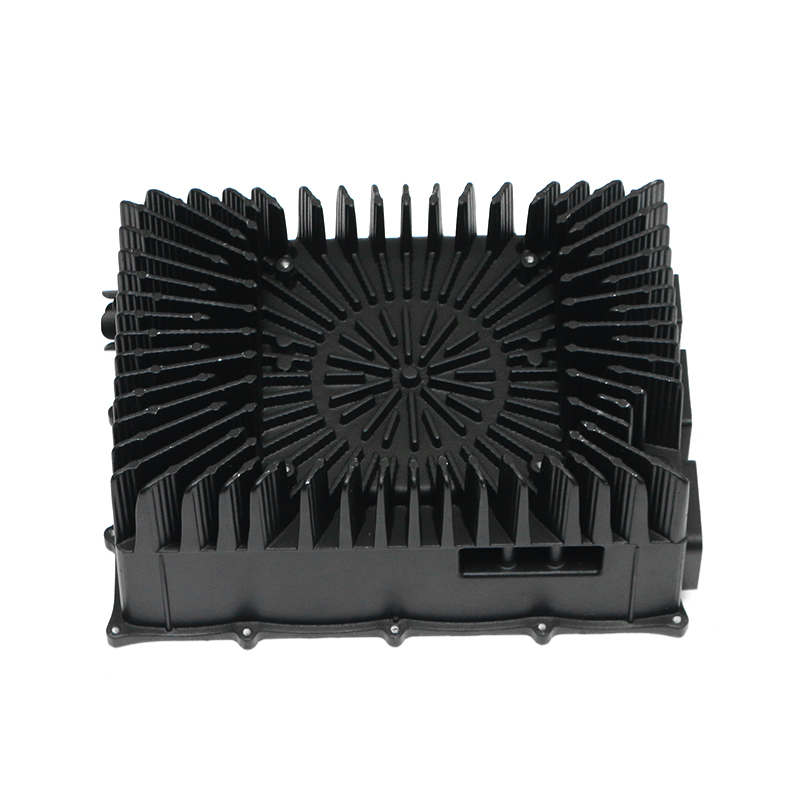
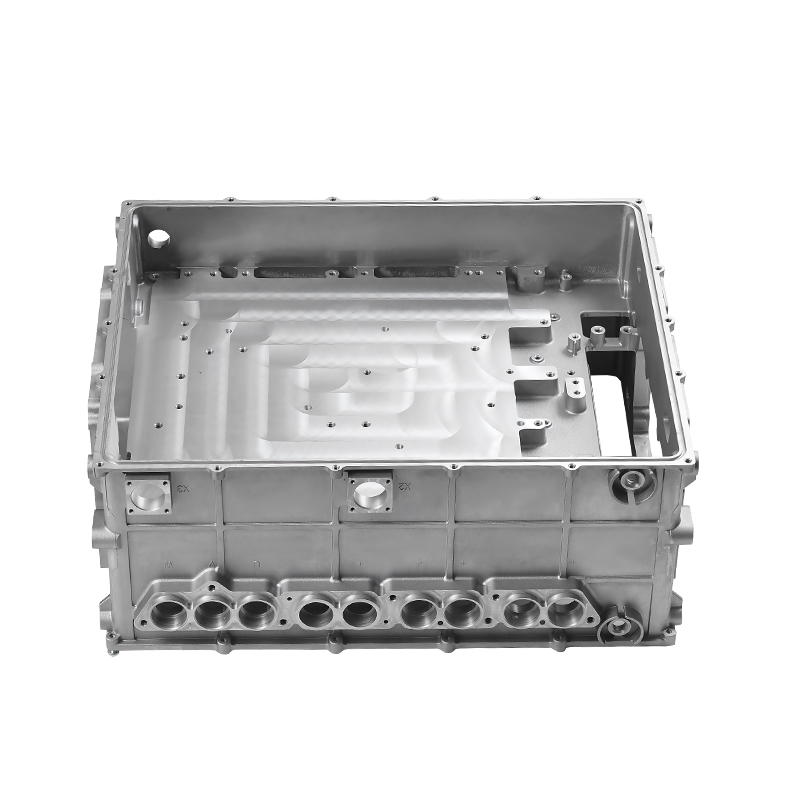
các vỏ hộp số đóng vai trò hỗ trợ và bảo vệ quan trọng trong toàn bộ hệ thống hộp số, thiết kế của nó ảnh hưởng trực tiếp đến độ cứng và khả năng chống va đập của hộp số. Lựa chọn cấu trúc và vật liệu hợp lý có thể đảm bảo vỏ vẫn ổn định khi chịu tác động bên ngoài và tải trọng bên trong, từ đó cải thiện hiệu suất tổng thể và tuổi thọ sử dụng của hộp số.
Vỏ có độ cứng cao có thể làm giảm biến dạng của hộp số do rung động và thay đổi tải trọng trong quá trình vận hành, từ đó cải thiện độ ổn định của truyền lực. Khi hộp số hoạt động, việc chia lưới bánh răng bên trong sẽ tạo ra một lực lớn, cần có sự hỗ trợ đầy đủ từ vỏ, nếu không có thể khiến các bộ phận bên trong hộp số bị lệch hoặc mòn bất thường. Do đó, thiết kế kết cấu của vỏ cần phân bổ hợp lý các điểm đỡ để có thể chịu được lực đồng đều từ các hướng khác nhau, tránh tập trung ứng suất cục bộ và đảm bảo hộp số có thể duy trì ổn định trong các điều kiện làm việc khác nhau.
các impact resistance of the housing is also crucial, especially in complex use environments, where the gearbox may be subjected to severe external impacts, such as bumps on the road, sudden changes in load or other external forces. If the housing is not impact-resistant enough, it may be deformed due to external impacts, and even affect the normal operation of internal parts. Therefore, in the design of the shell, materials with a certain toughness are usually used so that they can effectively absorb energy when impacted instead of directly transferring it to the internal structure. In addition, a reasonable structural layout, such as reinforcing ribs or multi-layer support structures, can further enhance the shell's impact resistance, so that it can still maintain normal operation in sudden situations.
các choice of materials has an important impact on the rigidity and impact resistance of the shell. Usually, the shell is made of high-strength metal materials, so that it has good impact resistance while providing sufficient support. Different processing methods will also affect the final performance of the shell. For example, the casting process can improve the density of the material, thereby improving its strength and durability, while some special surface treatment technologies can enhance the shell's wear and corrosion resistance, so that it can maintain stable performance in different environments.
các internal structure design of the shell also needs to take into account the needs of rigidity and impact resistance. Reasonable internal reinforcement structure can effectively disperse the load, so that the shell is not easy to deform when subjected to external force. At the same time, certain support points are usually designed inside the shell so that it can fit more closely with the internal parts, thereby reducing loosening caused by impact or vibration. In addition, some housings are thickened in certain areas to enhance local bearing capacity, thereby improving the stability of the overall structure.
các design of the installation method and connection parts are also important factors affecting rigidity and impact resistance. A reasonable installation structure can ensure that the housing is tightly combined with other components to avoid affecting the normal operation of the gearbox due to looseness. At the same time, the fixing method of the housing needs to take into account the load changes in different environments to ensure that it will not be deformed or damaged due to stress accumulation during long-term use. In addition, some special connection methods, such as multi-point fixing or strengthening connectors, can also further enhance the stability and impact resistance of the housing.

Sản phẩm được đề xuất
Sản phẩm do doanh nghiệp nổi tiếng cung cấp được người dùng tin tưởng sâu sắc.

LIÊN KẾT NHANH
SẢN PHẨM
THÔNG TIN LIÊN HỆ.
- +86-18657487998
+86-17706881251 - +86-574-86886999
- [email protected]
- Số 19, Đường Lao Sơn, Quận Bắc Lôn, Thành phố Ninh Ba, Tỉnh Chiết Giang, Trung Quốc

Bản quyền © 2024 Ningbo Fenda New Energy Technology Co., Ltd. Đã đăng ký Bản quyền.
