1. What is the role and technical challenges of New Energy Motor Housing Die Casting in electric vehicles?
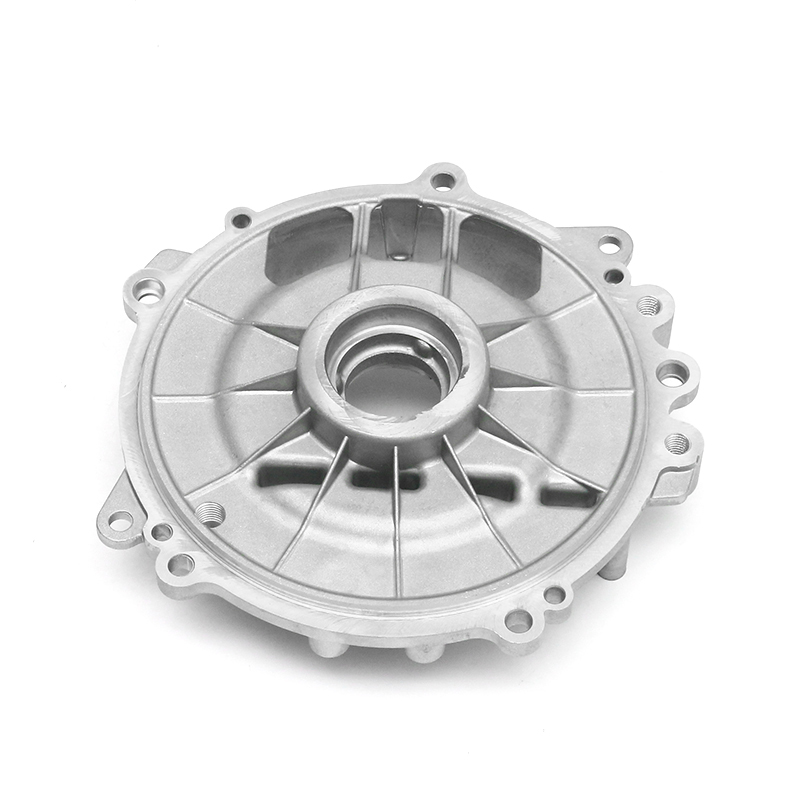
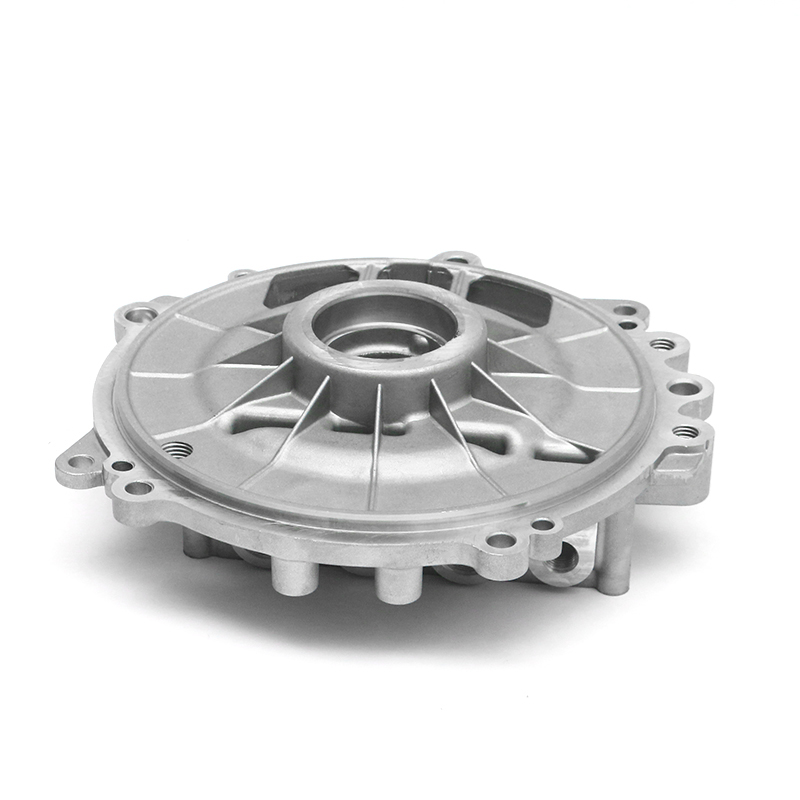
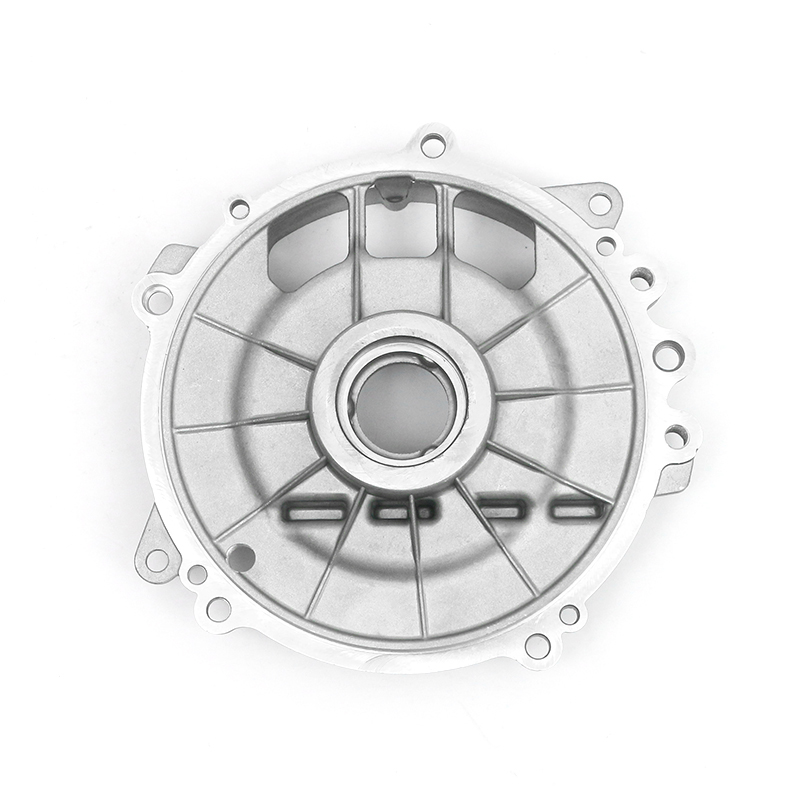
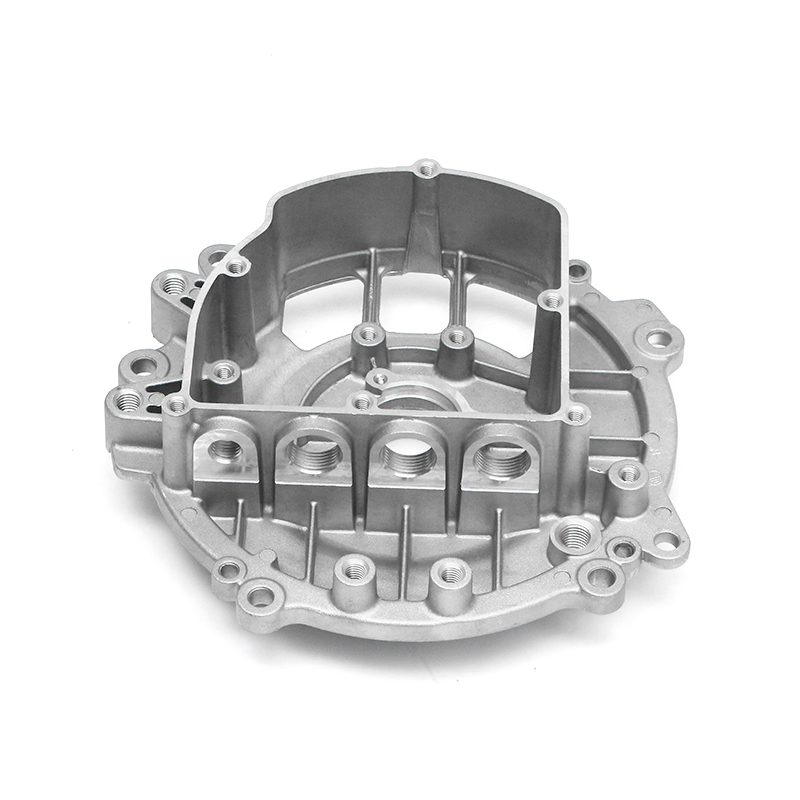
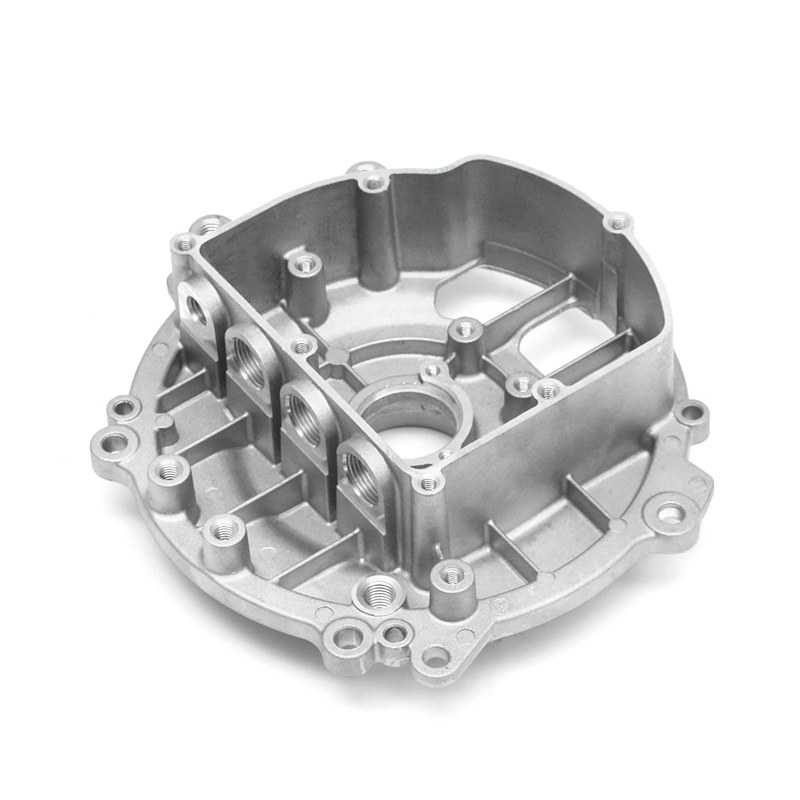
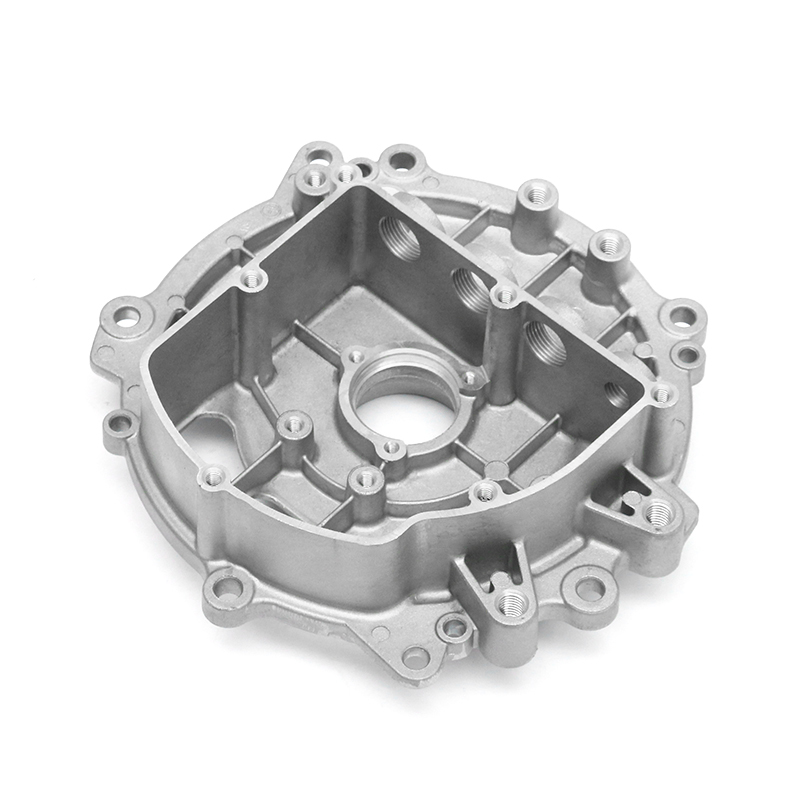
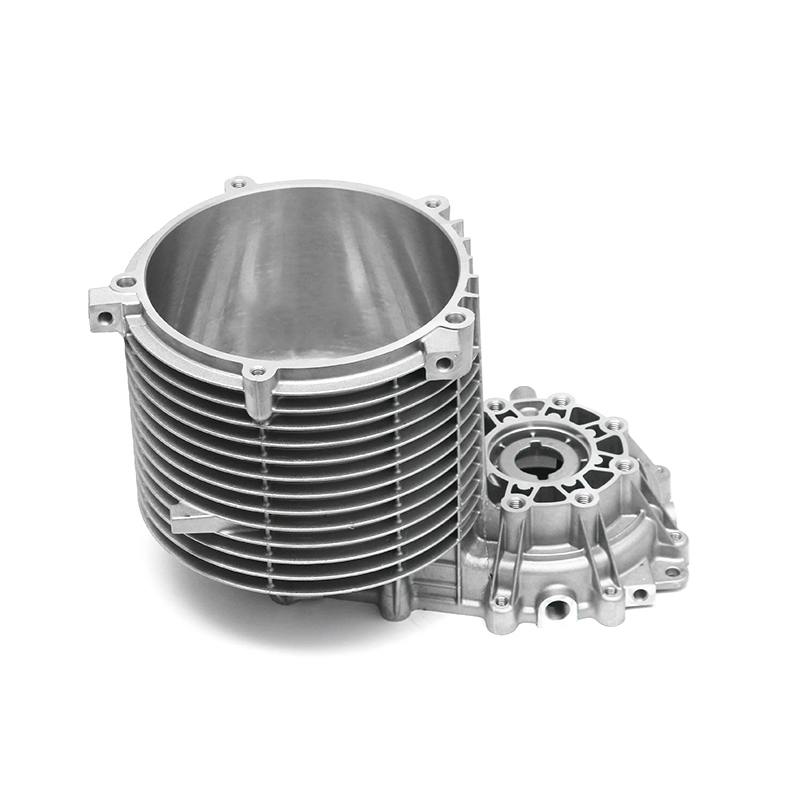
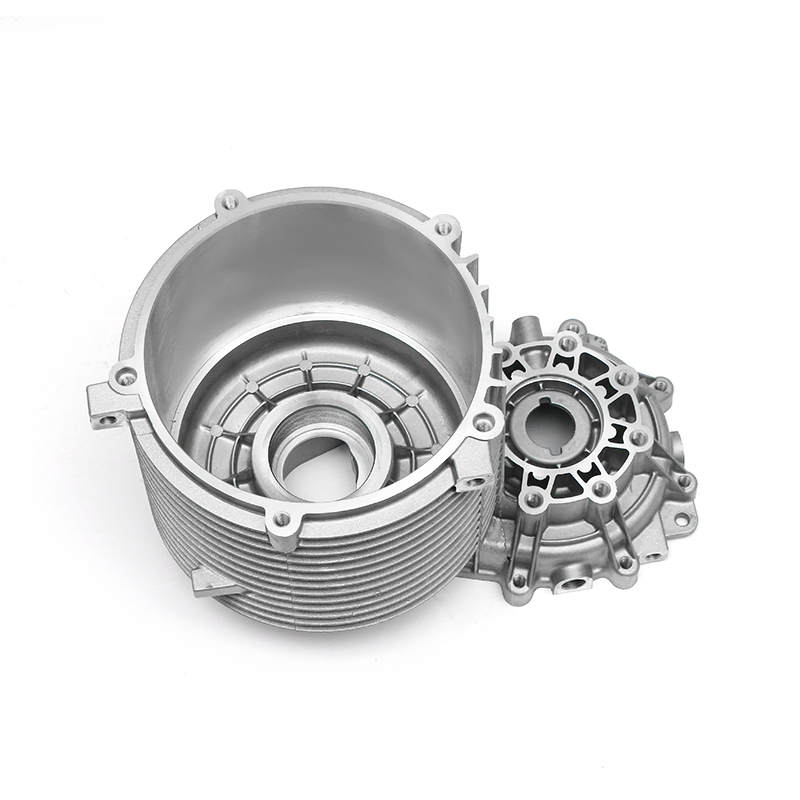
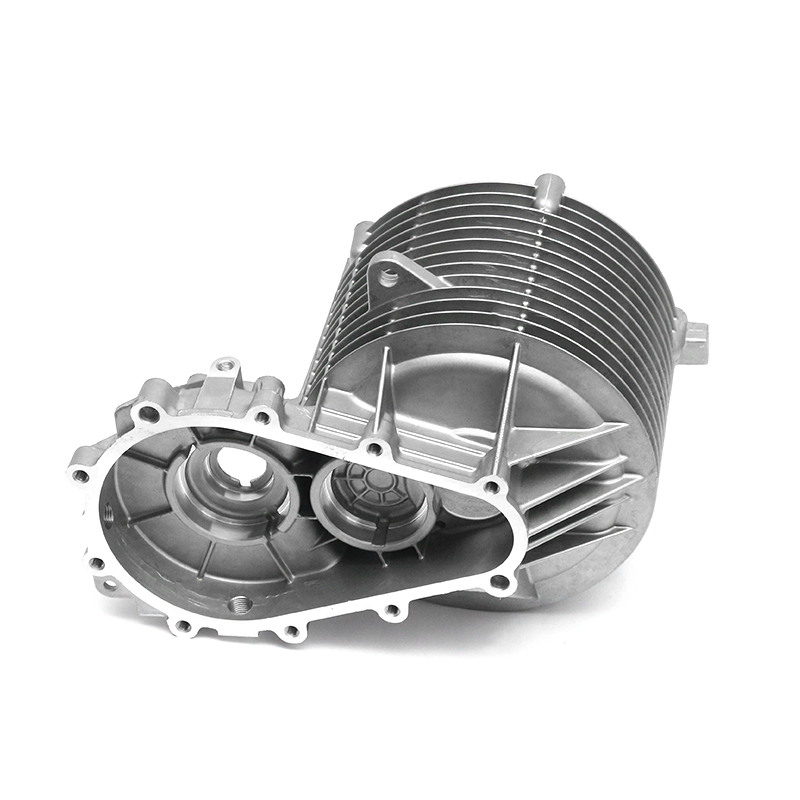
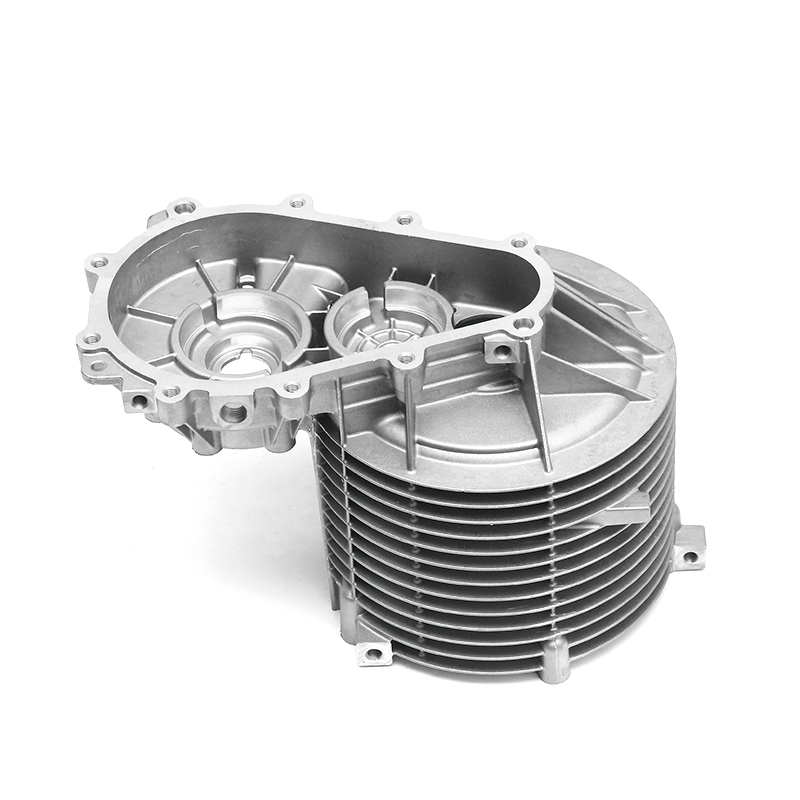
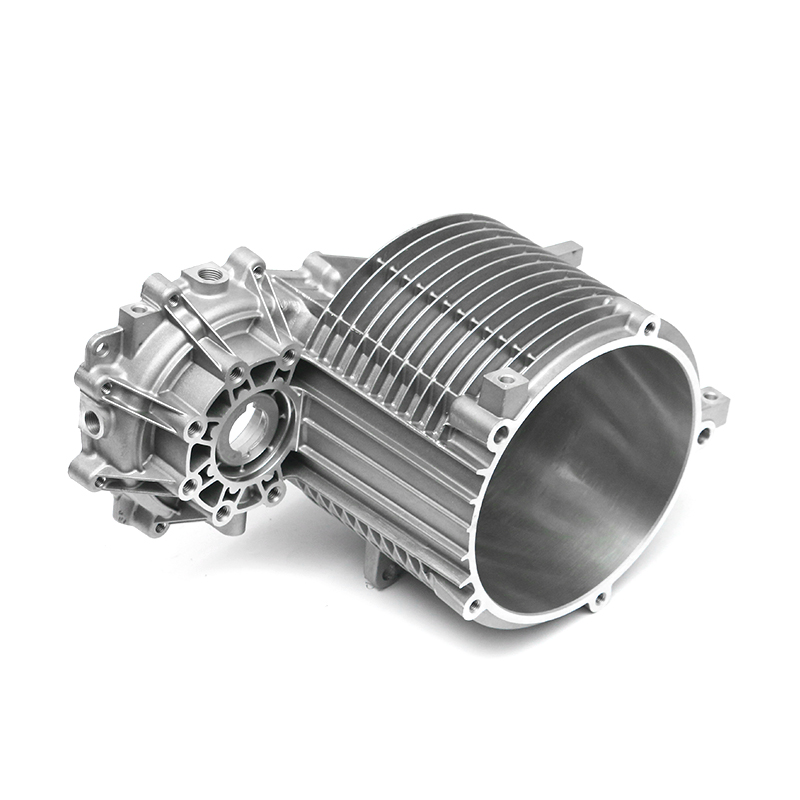
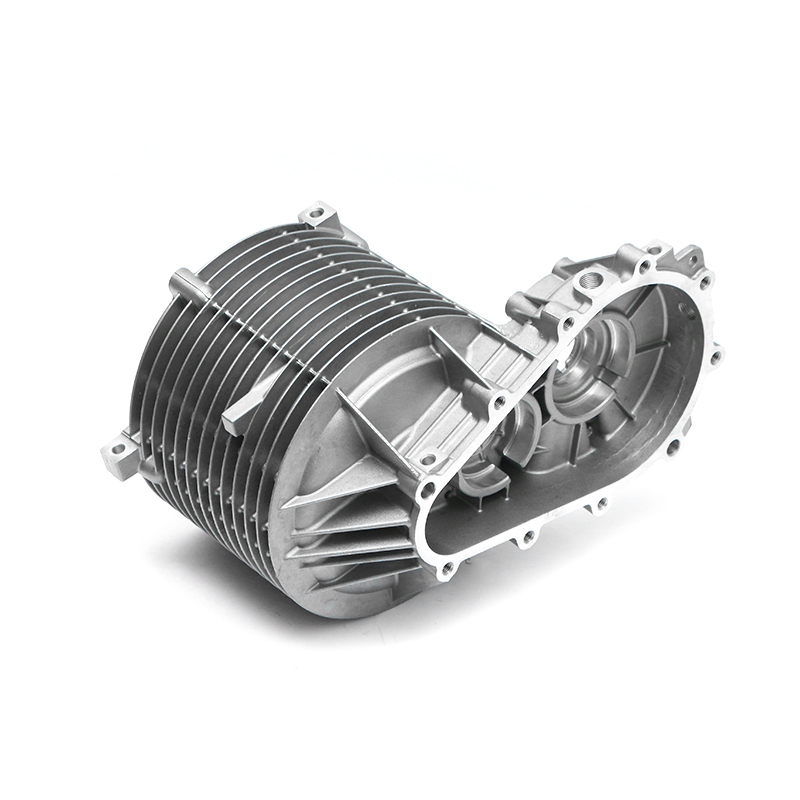
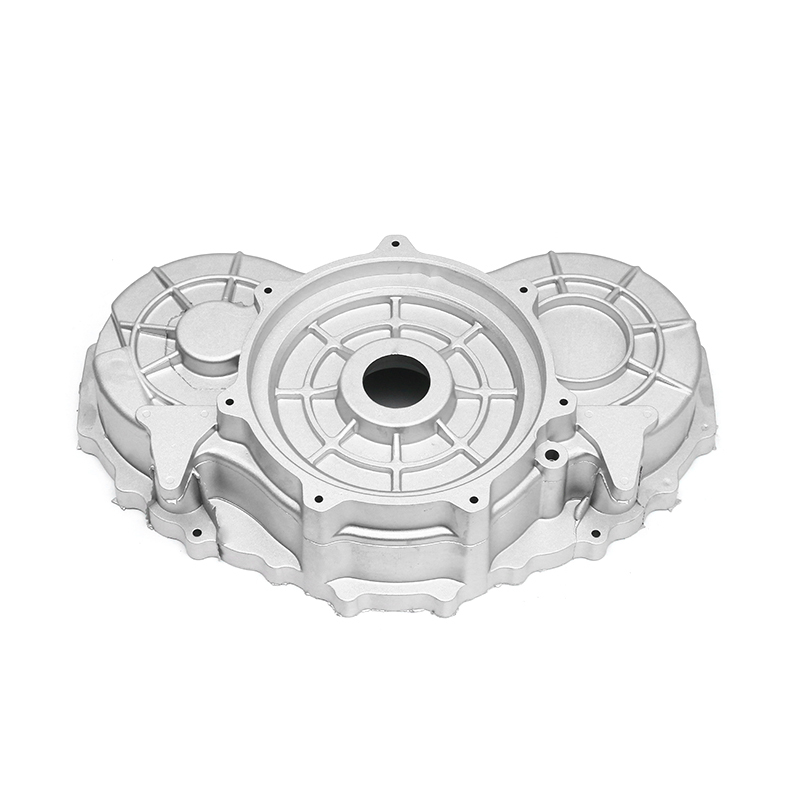
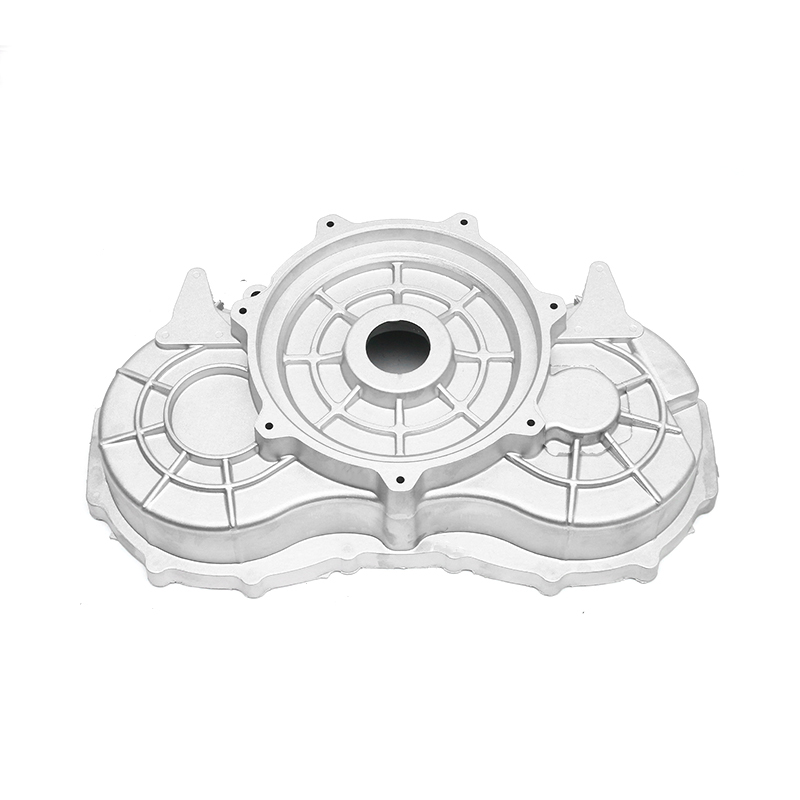
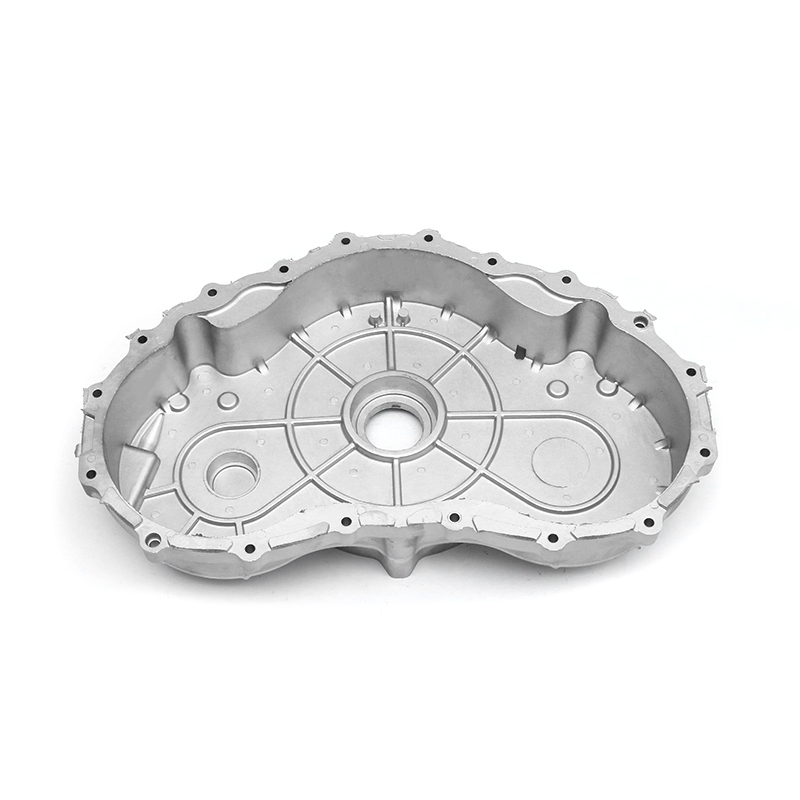
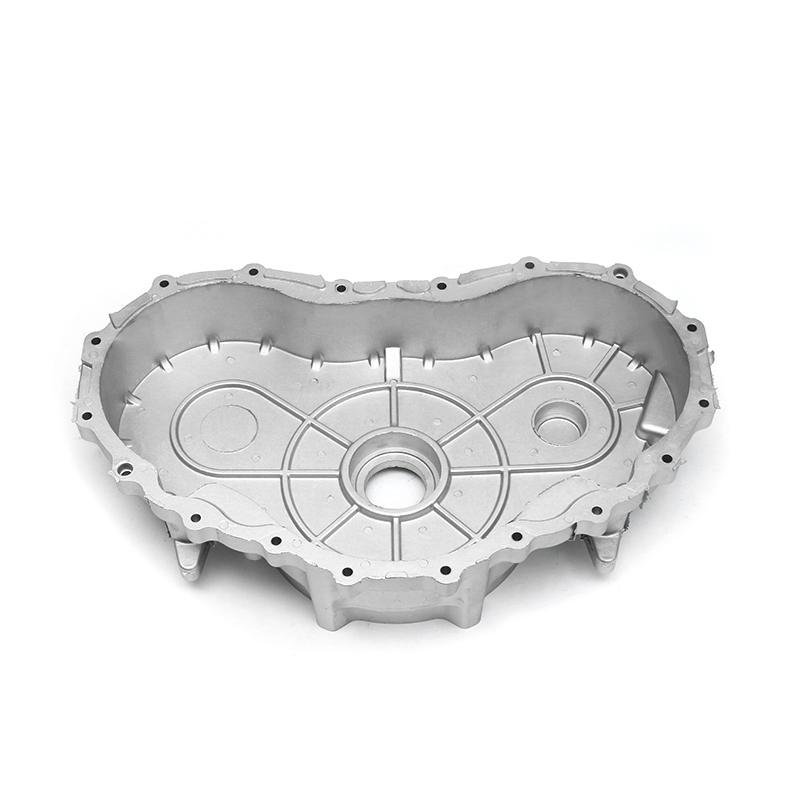
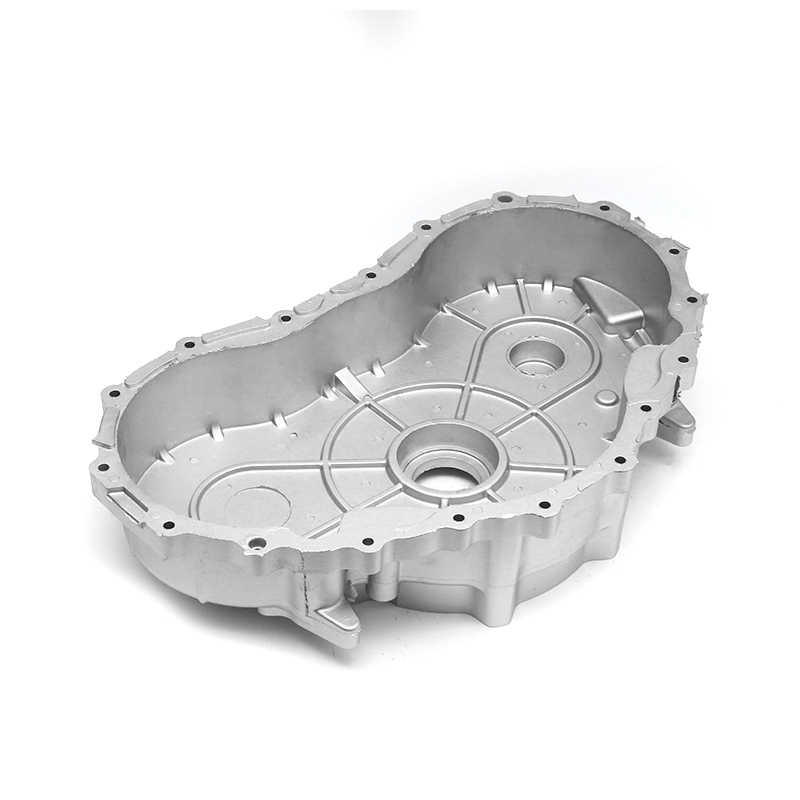
New Energy Motor Housing Die Casting plays a key role in electric vehicles. It is not only the outer shell that protects the motor, but also an important factor affecting the performance and reliability of electric vehicles. The motor system of electric vehicles has gradually become the mainstream choice in the automotive industry due to its advantages such as high efficiency, low emissions and low noise, and the design and manufacture of New Energy Motor Housing Die Casting face multiple challenges and technical requirements.
The motor of an electric vehicle generates a lot of heat during operation, so the Motor Housing needs to have an optimized heat dissipation design. This requires not only a reasonable heat dissipation structure, but also the selection of materials with good thermal conductivity, such as aluminum alloy, to effectively transfer heat to the external environment to avoid overheating of the motor, resulting in performance degradation or even damage.
The lightweight design requirements of electric vehicles also pose challenges to Motor Housing. Although lightweight materials can reduce the weight of the entire vehicle, improve energy efficiency and mileage, how to achieve lightweight in the design and manufacturing process while ensuring sufficient strength and durability is still a technical problem.
In addition, with the rapid growth of the electric vehicle market, customers' requirements for Motor Housing are also increasing. Customers want products that not only have good heat dissipation performance and lightweight design, but also meet environmental protection requirements and various standards of the automotive industry, such as IATF 16949 quality management system certification. Therefore, how to ensure product quality and delivery cycle while meeting multiple technical and market requirements is another major challenge we face.
In order to meet these challenges, our company actively invests in R&D and technological innovation, works closely with customers, and continuously optimizes product design and manufacturing processes. Through continuous improvement and enhancement of production capacity, we are committed to providing high-performance and reliable New Energy Motor Housing Die Casting products for electric vehicles, and promoting the development and progress of the entire electric vehicle industry.
2. What are the future development trends and technological innovation directions of New Energy Motor Housing Die Casting?
As a key component of electric vehicles, the future development trends and technological innovation directions of New Energy Motor Housing Die Casting are closely related to the development of the electric vehicle industry. With the continuous expansion of the new energy vehicle market and technological advancement, the design and manufacturing of Motor Housing will face new challenges and opportunities.
One of the future development trends of Motor Housing is intelligent and integrated design. As the intelligence level of electric vehicles increases, Motor Housing will integrate more sensors and electronic devices to achieve real-time monitoring and adjustment of the motor's operating status, further improving the intelligence level and safety of the vehicle system.
Environmental protection and sustainable development will continue to be important considerations in Motor Housing design. Future Motor Housing may adopt more environmentally friendly materials and manufacturing processes to reduce the impact on the environment and meet strict environmental standards and regulatory requirements. For example, recyclable materials and low-carbon manufacturing processes are used to reduce overall energy consumption and carbon emissions.
In addition, the application of new material technologies and manufacturing processes will also promote the technological innovation of Motor Housing. The application of advanced alloy materials, reinforced plastics and composite materials can achieve a lighter design while ensuring product strength and durability, further improving the energy efficiency and performance of electric vehicles.
The development of digital manufacturing technology will bring new possibilities to the design and manufacture of Motor Housing. The use of 3D printing technology can achieve personalized and customized Motor Housing design, reduce manufacturing costs and production cycles, and improve production efficiency and product quality controllability.



 19 Mar,2026